OEM compatible car bonnet for repair and replacement
Car Bonnet: Shield Your Car With Superior Car Bonnet Offerings and Components
The car bonnet has a dual purpose, protecting the engine while enhancing the vehicle's visual appeal. Superior products and services can significantly impact its resilience and visual quality. Regular upkeep and appropriate modifications are vital for preserving both performance and importance. Yet, many car owners fail to recognize the importance of this component. Understanding the intricacies of maintenance and protection can make all the difference in vehicle longevity. What measures should one take to ensure peak functionality?
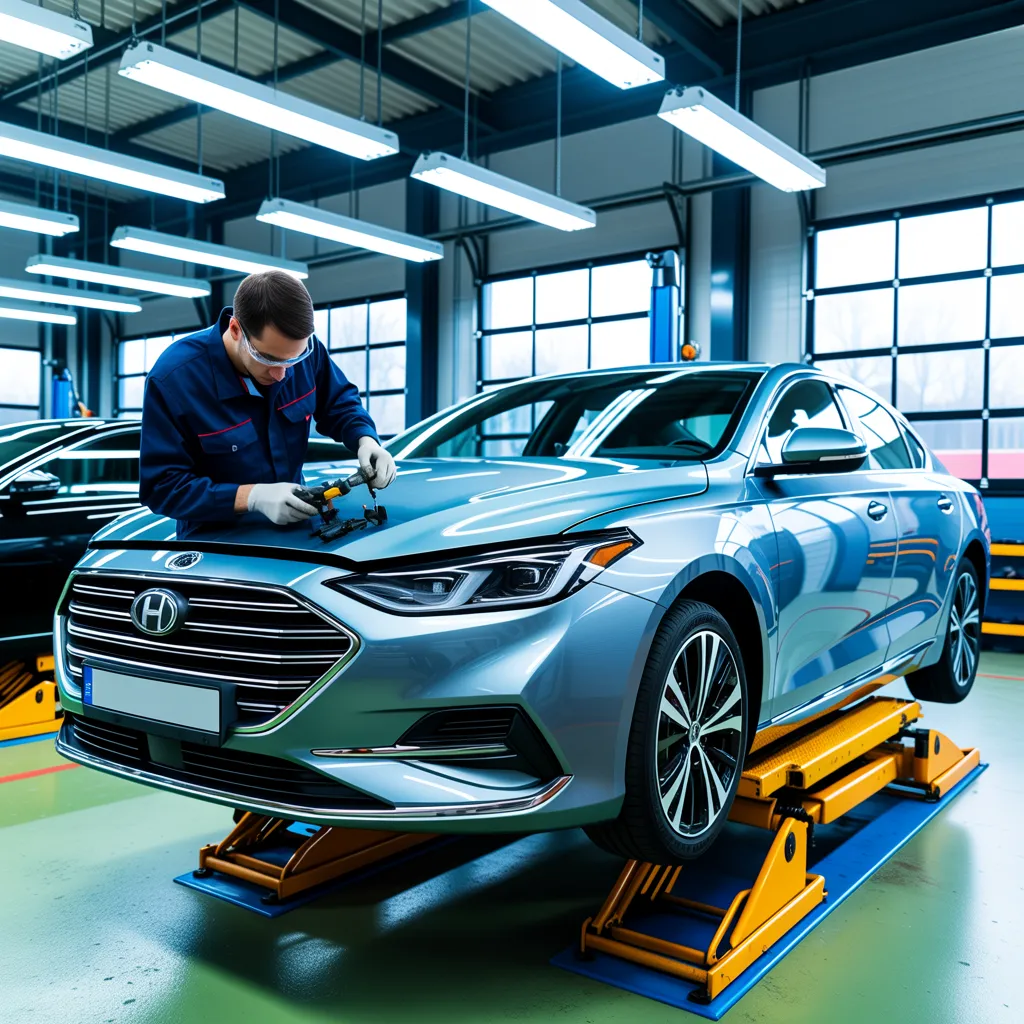
Why Your Car Hood Counts for Safeguarding and Aesthetics
Many car proprietors may overlook the importance of the bonnet, yet it serves a crucial role in protection and aesthetics. The bonnet functions as a barrier for important engine parts, defending them from particles, environmental factors, and possible harm. A well-kept bonnet can prevent deterioration that might result in costly repairs down the line.
Beyond its protective capacity, the bonnet meaningfully enhances a vehicle's general appearance. It frequently ranks among the first features viewed by onlookers, affecting the car's visual appeal. Multiple designs, colors, and finishes can boost a car's character, allowing it to stand out on the road.
Guaranteeing that the bonnet is in ideal condition not only safeguards its protective capabilities but also maintains the vehicle's stylish look. Routine assessments and proper upgrades can further enhance both functions, making the bonnet a key feature of car ownership.
When Ought You Repair or Change Your Bonnet?
Figuring out when to repair or replace a car bonnet can be tricky for many owners. A thorough assessment of the bonnet's condition is vital. If there are minor dents or scratches, repair might suffice, especially if the damage do not weaken the structure. However, if rust or corrosion is present, particularly in critical areas, a swap may be needed to keep durability and the appearance.
Furthermore, a bonnet that has sustained significant impact damage—such as from an accident—should be evaluated thoroughly. If the damage affects positioning or functionality, substitution is often the optimal choice. Vehicle proprietors should also take into account the age of the bonnet and the general state of the vehicle; a very old or heavily worn bonnet may not be worth fixing. Ultimately, speaking with a expert can provide useful perspective into the optimal plan forward, guaranteeing the car stays secure and aesthetically pleasing.
Determining the Right Elements for Your Vehicle Bonnet
When choosing materials for a car bonnet, considerations such as aluminum versus steel can substantially impact durability and cost. Composite materials present unique benefits, including weight reduction, which can optimize overall vehicle performance. Understanding these factors is important for making an educated choice that balances functionality and efficiency.
Aluminum Against Steel Hood
Choosing the suitable substance for a car bonnet is essential, as it affects both functionality and visual appearance. Aluminum and steel are two preferred choices, each with separate advantages. Aluminum is light, improving fuel efficiency and agility; it also prevents corrosion, which can prolong the bonnet's lifespan. However, aluminum can be more costly and may not offer the same level of impact resistance as steel. On the other hand, steel provides greater resilience and strength, making it less prone to dents and damage. It is typically more affordable but can be heavier, potentially affecting functionality. Ultimately, the choice between aluminum and steel will depend on the specific needs and preferences of the vehicle owner, balancing cost, weight, and durability considerations.
Composite Material Benefits
Composite materials are gaining popularity in the automotive industry for car bonnets due to their unique blend of lightweight properties and exceptional strength. These materials, often consisting of carbon fiber or fiberglass, provide enhanced durability while resisting corrosion and environmental damage. They are engineered to withstand impact, offering superior protection against dents and dings. Moreover, composites can be molded into complex shapes, allowing for innovative designs that improve aerodynamics and aesthetics. This versatility also enables manufacturers to develop bonnets that align with modern vehicle styling. Additionally, the production of composite materials can be more environmentally friendly, contributing to sustainability efforts within the automotive sector. Overall, composite materials present a compelling option for enhancing vehicle performance and longevity.
Weight Aspects and Output
Determining a vehicle’s overall performance and efficiency heavily relies on weight. When selecting materials for a car bonnet, weight, strength, and durability are key factors. Lighter options such as aluminum or composites can decrease the total mass, thereby improving acceleration, fuel efficiency, and handling. Conversely, heavier materials, although offering better protection, can negatively impact performance. Striking a balance between weight and structural integrity is vital; the correct material choice can result in better aerodynamics and improved fuel economy. Additionally, advances in technology have enabled innovative materials that offer both lightweight properties and strong performance, making sure the vehicle stays agile while maintaining safety. Selecting the proper car bonnet material is crucial for ideal vehicle functionality.
Why Invest In Protective Coatings for Your Bonnet?
Protective films offer significant advantages for car bonnets, especially upgraded scratch resistance. These films serve as a barrier against daily wear, preserving the automobile's appearance. In addition, they deliver vital UV defense, preventing paint damage from prolonged sun exposure.
Superior Scratch Resistance
A car hood often encounters harsh conditions, valuable resource making it vulnerable to wear and damage. To address this weakness, many vehicle owners opt for protective films specifically designed for bonnets. These films deliver an invisible barrier against abrasions caused by surface particles, tree branches, and even minor accidents. The advanced materials used in these films not only improve resilience but also maintain the visual appearance of your automobile. Unlike traditional paint protection methods, these films are self-healing, allowing minor scratches to fade over time. Additionally, the application of defensive coatings is a non-invasive process, ensuring that the original paint remains undamaged and undisturbed. By investing in improved damage protection, vehicle owners can maintain their bonnets and sustain the overall value of their cars.
UV Protection Benefits
Many automobile owners emphasize protecting their bonnets from surface damage, yet the importance of UV protection should not be ignored. Ultraviolet rays can cause significant damage to a vehicle's exterior, resulting in dulling, discoloration, and wear of the paint. Protective films engineered specifically for bonnets act as a barrier against these harmful rays, helping preserve the vehicle's visual appeal and value. By absorbing UV radiation, these films support the original color and gloss to remain, ensuring the bonnet stays vibrant over time. Moreover, using UV protective films can reduce the frequency of repainting and detailing, providing ongoing cost savings. In the end, investing in UV protection is a smart decision for any careful vehicle owner.
Should you invest in professional installation solutions?
How essential is professional installation when it comes to car bonnet services and accessories? Expert fitting can boost the performance and durability of these services, confirming that components are fitted properly and fastened. Experienced professionals hold the expertise to identify potential issues that may happen during installation, which an untrained person might overlook. This not only minimizes the risk of damage to the vehicle but also ensures that warranties remain valid.
Additionally, qualified installation usually gives security, since service providers generally have protection and guarantee promises for their work. This can be especially useful when managing complex accessories or protective films that require precision. Although DIY options may seem cost-effective initially, the possibility for mistakes can lead to costly repairs down the line. Overall, investing in professional installation is often recommended by the assurance of quality and strength it adds to car bonnet services and accessories.
Must-Have Components for Your Car Bonnet Protection and Aesthetics
The importance of professional installation extends to the choice of accessories that improve both protection and appearance for car bonnets. Various options are available to accommodate different preferences and needs. Bonnet protectors, often constructed with sturdy substances, shield the paintwork from scratches, debris, and UV damage. These add-ons not only maintain the vehicle's aesthetic but also maintain its market worth.
In addition, bespoke hood graphics and wraps can deliver a distinctive look, allowing owners to express their individuality. Insulation pads can be applied to minimize engine noise and protect the bonnet from thermal wear, improving both practical use and aesthetic appeal.
For individuals pursuing a more athletic look, practical scoops or vents can be added, enhancing airflow and motor efficiency. In the end, selecting the appropriate add-ons can greatly enhance a car's appearance while ensuring its bonnet stays safeguarded against the elements.
Best Practices for Maintaining a Durable Car Bonnet
Proper maintenance of a car bonnet ensures durability and maintains the vehicle's look. Regular cleaning is crucial; using a gentle soap and delicate cloth helps removing dirt and grime that can cause rust. Waxing the bonnet every few months offers an extra layer of protection against UV rays and environmental pollutants.
Checking the bonnet for scratches and dents is vital. Rapidly addressing any damage with paint treatments prevents rust formation. Also, evaluating the copyrights and alignment secures easy operation and averts future complications.
For those residing in severe weather conditions, using a protective sealant can improve durability. Parking in covered spots or using a car cover when not in use can also reduce exposure to damaging conditions.
Routinely Requested Questions
How Can I Wash My Car Bonnet Effectively?
To clean a car bonnet effectively, mix a gentle automotive soap with water, use a gentle applicator to apply the solution, rinse completely, and finish by drying with a microfiber cloth for avoiding water marks and preserving luster.
Can I paint My Car Bonnet Myself?
Yes, one can paint their car bonnet themselves, provided that they have the right equipment and knowledge. Meticulous readiness, encompassing cleaning and sealing, is essential for obtaining a polished, durable layer that enhances the vehicle's appearance.
What Could Be Prevalent Damages to Monitor on a Bonnet?
Bonnets are susceptible to common damages like dents from hail or collisions, scratches from debris, corrosion due to environmental conditions, and paint fading from UV rays. Routine checks can help detect these issues early.
Are There Environmentally Conscious Hood Protection Options Available?
Indeed, green bonnet protection alternatives are on hand, comprising biodegradable films and organic wax layers. These substitutes ensure solid protection while reducing environmental impact, appealing to green-minded vehicle owners desiring eco-friendly care options for their cars.
How Does Weather Impact My Car Bonnet's Durability?
Weather substantially affects a car bonnet's longevity. Prolonged exposure to sunlight can fade paint, while rain and snow may cause corrosion. Extreme temperatures can cause materials to warp, ultimately decreasing durability and requiring more regular upkeep.